Gartner’s Magic Quadrant is one of the most influential research tools for evaluating technology vendors.It ranks companies based on two key dimensions Ability to Execute (how well they deliver today) Completeness of Vision (how well they anticipate the future). However, while the Quadrant offers a useful snapshot of the competitive landscape, it can mislead when taken at face value.IT leaders should use it as a starting point for strategic evaluation not as the final decision-maker.True value comes from combining Gartner’s insights with hands-on testing, TCO analysis, and real-world fit to…
Read MoreCategory: Tools & Technologies
Tools & Technologies offers in-depth reviews and practical insights into the solutions powering modern cybersecurity. From SASE, EDR, and SIEM platforms to network analysis tools like Nmap, this section helps SMBs select, integrate, and manage the right technologies for their needs. Explore comparisons, best practices, and deployment strategies that enable smarter protection, better visibility, and long-term scalability.
Shadow IT | How to Monitor and Control Unapproved Technologies in Your Organization
The Rise of Shadow IT and Its Security Implications In the era of cloud computing, remote work, and decentralized IT environments, Shadow IT has become an unavoidable challenge for enterprises. Employees and departments often deploy unauthorized applications, cloud services, and devices without IT approval, leading to increased security risks, compliance violations, and data exposure. A report by Gartner estimates that 30% to 40% of all IT spending in large enterprises occurs outside of IT’s direct control. This means that critical business applications, sensitive data, and third-party integrations are often unmonitored,…
Read MoreHow AR and VR Will Transform Our Lives
The integration of AR and VR into daily life will revolutionize industries and personal experiences in several ways: Leading Tech Companies Driving AR and VR Innovation Several major technology companies are heavily investing in AR and VR development, each with a unique approach to the market: The Role of AI and Quantum Computing in AR/VR Artificial Intelligence (AI) is playing a crucial role in enhancing AR and VR experiences by improving object recognition, tracking, and interaction within virtual spaces. AI-powered algorithms enable more responsive and personalized experiences by learning user…
Read MoreThe 5G Revolution: Transforming Connectivity and the Future of Digital Communications
The expansion of 5G technology marks a transformative milestone in telecommunications, promising faster speeds, lower latency, and enhanced connectivity across industries and everyday life. As we increasingly rely on digital applications, cloud services, and connected devices, 5G emerges as the backbone of the next digital revolution. This article explores the history of 5G, how it differs from previous generations like 4G, and its implications for businesses, consumers, and even public health. We’ll also examine how 5G compares to Elon Musk’s Starlink satellite network and which telecom companies are leading the…
Read MoreQuantum Computing: The Future of Computational Power and Its Global Impact
Quantum computing is poised to revolutionize industries, redefine problem-solving capabilities, and push the boundaries of what classical computers can achieve. Unlike traditional computing, which relies on binary bits (0s and 1s), quantum computing harnesses the principles of quantum mechanics to process complex computations exponentially faster. As we delve into the history, current applications, and future potential of quantum computing, it’s essential to understand how this transformative technology is shaping our world and what challenges lie ahead. The roots of quantum computing date back to the early 1980s when physicist Richard…
Read MoreIdentifying and Mitigating Hidden Cyber Threats in Your Network
Recognizing the Presence of Hackers Cyber threats are increasingly sophisticated, and detecting their presence within an organization’s network requires a keen eye for specific signs. Suspicious user account activity, such as failed login attempts, logins from unfamiliar locations, and simultaneous sessions from different devices, could indicate a breach. Unusual network traffic patterns, including unexpected data transfers or abnormal communication with external servers, are also red flags. Performance degradation, such as slow applications and high resource usage, might suggest malware activity. Changes to security settings, such as modified firewall rules or…
Read MoreThe Future of Work: Navigating the AI Impact on Employment and Skill Dynamics
The advent of 2025 marks a pivotal year as industries globally harness the transformative power of Artificial Intelligence (AI). The World Economic Forum’s Future of Jobs Report 2025 underscores significant shifts in employment patterns, highlighting the dual impact of job creation and displacement facilitated by AI technologies. AI-Driven Employment Landscape The integration of AI is not a distant future—it is profoundly reshaping today’s workforce dynamics. According to the report, we are looking at an estimated creation of 97 million new jobs by 2025, while 85 million roles are expected to…
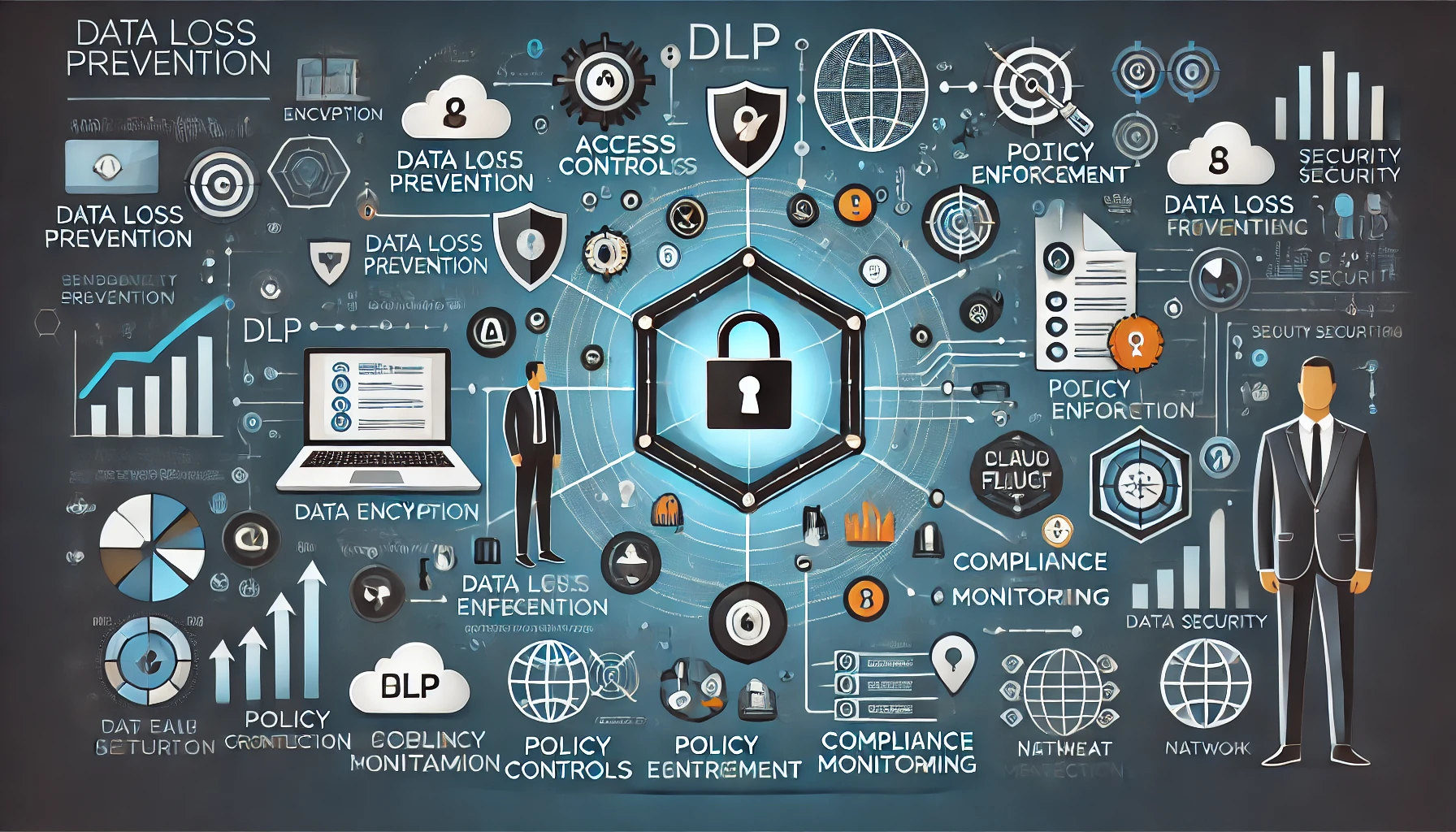
Read MoreBuilding a Robust Data Loss Prevention (DLP) Program: A Technical Implementation Guide
As organizations face growing threats to data security, implementing a strong Data Loss Prevention (DLP) program has become a necessity. DLP aims to protect sensitive data from unauthorized access, accidental leaks, and malicious threats. However, the successful implementation of a DLP program requires more than just technology—it demands a well-structured strategy, involving people, processes, and tools. Key Steps to Implementing a Successful DLP Program Defining the Scope and Identifying Critical Data Establishing Governance and Awareness Designing the DLP Architecture Addressing Dependencies and Enhancing Security Deploying and Continuously Improving the Program…
Read MoreProtecting Your Cryptocurrency: Essential Security Tips to Prevent Hacks
With the growing adoption of cryptocurrencies, the threat of cyberattacks targeting digital assets has surged. Unlike traditional bank accounts, cryptocurrency security largely depends on individual users, making it crucial to implement robust security measures. Recent reports indicate a rise in crypto account breaches, often due to a lack of basic security practices or reliance on unsecured services. This guide provides essential tips to safeguard your digital assets from potential threats. Essential Security Tips for Crypto Users Steps to Take if Your Crypto Account is Compromised Cryptocurrency security requires proactive measures…
Read MoreAI in Cybersecurity: Navigating Opportunities and Risks
Artificial intelligence (AI) is revolutionizing cybersecurity, offering new opportunities for defense while simultaneously presenting unprecedented threats. Both cybersecurity professionals and cybercriminals are leveraging AI to gain the upper hand, making it imperative for organizations and individuals to stay informed and prepared. The Role of AI in Cybersecurity AI is increasingly becoming a cornerstone of modern cybersecurity strategies, augmenting traditional security measures with advanced data analysis and automated threat detection. Organizations are deploying AI-driven solutions to enhance their security posture in several key ways: While AI enhances cybersecurity efforts, it also…
Read More